What Do Medical Assistants Do?
By providing services for both patients and medical professionals, medical assistants play a crucial role in the healthcare industry. The Bureau of Labor Statistics has reported that this field is rapidly growing, and it is expected to increase by 15% between 2023 and 2033. This data supports the widespread belief that medical assistants are the backbone of the medical industry, since their contributions to both patient care and administrative tasks are essential in daily operations. Given this, it is worth understanding more about about what medical assistants actually do.
What Is the Scope of a Medical Assistant’s Duties?
Depending upon their location, employer, and other related factors, the day-to-day tasks of medical assistants can vary greatly. However, in general, they perform both patient-centered functions and administrative functions. In some settings—such as small family practices or outpatient clinics—they may do both types of work in the same shift. In larger healthcare facilities, these roles might be split among multiple team members.
Additionally, some medical assistants pursue certification or specialized training, which can qualify them for more advanced responsibilities, such as phlebotomy or limited radiography. Others may be cross-trained for front office operations, electronic health record (EHR) systems, or billing and coding.
To What Degree Are Medical Assistants Involved in Patient Care?
Common patient care tasks may include:
-
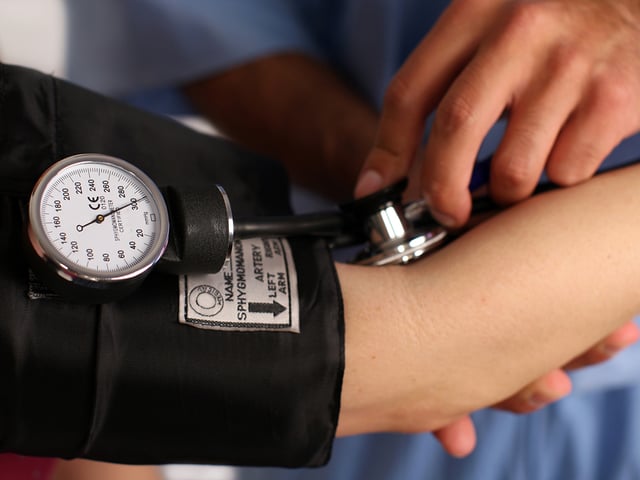
Taking vital signs (blood pressure, temperature, pulse, respiration)
-
Recording patient health histories
-
Administering injections or collecting samples for laboratory testing
-
Preparing exam rooms before and after visits
-
Assisting during minor procedures
If they are working within a distinct medical specialty, such as pediatrics, cardiology, or orthopedics, they may also complete tasks such as:
-
Preparing patients for X-rays or other imaging procedures
-
Taking electrocardiograms (EKGs)
-
Changing wound dressings or removing sutures
-
Conducting basic in-office lab tests (e.g., urinalysis, strep tests)
-
Educating patients about medications, lifestyle modifications, or follow-up instructions
-
Acting as a liaison between the physician and the patient
In many offices, medical assistants also help maintain infection control standards, keep track of medical supplies, and ensure proper disposal of biohazard materials, all of which are vital for patient safety.
What Kind of Administrative Duties Are Required of a Medical Assistant?
Medical assistants may also perform a wide range of administrative tasks to ensure smooth front office operations, including:
-
Scheduling appointments and follow-up visits
-
Answering phones, taking messages, or returning patient calls
-
Greeting and checking in patients
-
Updating patient records and inputting medical data into EHR systems
-
Filing and coding insurance forms correctly for reimbursement
-
Handling billing and bookkeeping
-
Coordinating with pharmacies, labs, or other specialist offices for referrals and diagnostic services
-
Ordering office supplies and maintaining organized work areas
In some clinics, they may also handle prior authorizations, help with quality assurance reporting, or assist with compliance documentation, depending on training and experience.
Is a Medical Assistant Career Right for You?
As you can see, the daily tasks of medical assistants can vary greatly. It depends upon the needs of the facility and the assistant’s level of training and certifications. Individuals who enjoy learning new things, working closely with both patients and healthcare professionals, and having a lot of variety in their day would likely do well in a medical assistant career.
It’s a great entry point for those interested in the medical field, offering a rewarding path with options to specialize or pursue further healthcare education, such as nursing, sonography, or healthcare administration. If you’re looking for a meaningful career that combines compassion, precision, and versatility, becoming a medical assistant might be the perfect fit.
Before beginning your career, you may need to pass a certification exam such as the CMA, RMA, or CCMA, depending on your location and employer requirements. Preparing thoroughly can make a big difference in your success. To help you feel confident on test day, check out our free medical assistant practice tests, study guides, and flashcards. You’ve got this—and we’re here to help every step of the way!
Keep Reading

Medical Assistant test Blog
How to Do Well on the Medical Assistant Exam
If you’re planning to enter the medical assisting profession, passing a…
Medical Assistant test Blog
How to Check a Manual Blood Pressure
One of the most common tasks you will need to perform as a medical assi…

Medical Assistant test Blog
What Is a Medical Assistant?
Are you considering a medical assistant career? You’re not alone. Curre…